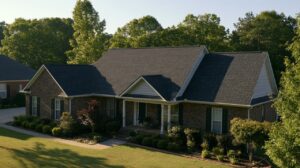
North Alabama summers do not just make homes harder to cool. They put steady pressure on every layer of a roofing system. Long days of direct sun, high attic temperatures, humidity, and afternoon storms all contribute to heat damage roofing problems that often develop quietly.
For many homeowners, roof material deterioration does not show up as one obvious failure. It starts with small changes: shingles losing flexibility, sealants drying out, granules wearing away, flashing pulling loose, or attic heat building under the roof deck. Over time, UV roof damage and thermal movement can shorten the life of a roof, especially when the roof has already been weakened by storms or poor installation.
In North Alabama, roofs may experience months of high UV exposure followed by sudden hail and wind events. That combination often accelerates roof aging faster than many homeowners expect.
In this guide, we’ll cover:
- Why extreme heat speeds up roof aging
- How UV exposure affects asphalt shingles, metal roofing, and commercial roofs
- Why attic ventilation matters in hot climates
- What warning signs homeowners should watch for
- How to slow heat-related roof deterioration
- When a roof inspection makes sense
If your roof has been exposed to years of summer heat and storms, Agape Roofing LLC can help with a professional roof inspection and practical recommendations based on the actual condition of your roof.
How Extreme Heat Damages a Roof Over Time
Extreme heat accelerates roof aging by drying out materials, weakening sealants, increasing thermal expansion, and intensifying UV exposure. These conditions gradually lead to cracking, granule loss, flashing failure, and shortened roof lifespan. In hot, humid climates, roof damage often builds slowly before homeowners notice visible signs.
A roof is designed to handle heat, rain, wind, and seasonal changes. The problem is repetition. Day after day, the roof absorbs sunlight, heats up, expands, cools down, and contracts. That cycle happens hundreds of times each year.
Over time, this repeated movement breaks down the materials that keep water out.
Heat also affects roofing systems differently depending on attic ventilation, material quality, roof color, installation practices, and storm history. A newer roof with balanced ventilation may age steadily for years, while an improperly installed roof exposed to the same weather can deteriorate much faster.
That is why understanding how heat affects roofing systems matters in Alabama’s climate.
Why Extreme Heat Is a Roofing Problem in North Alabama
Roofing systems in this region deal with more than hot air temperatures. The roof surface itself can become much hotter than the outdoor temperature, especially on dark asphalt shingles. During peak summer afternoons, roof surfaces can exceed 150 degrees while attic temperatures climb even higher.
When heat builds inside the attic at the same time, the roof is stressed from above and below.
That combination speeds up roof aging.
UV Exposure Breaks Down Roofing Materials
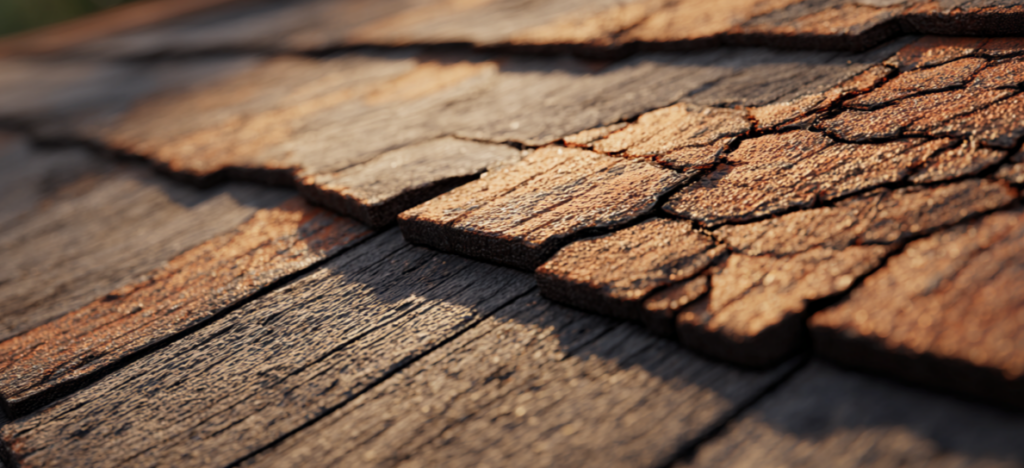
UV rays dry out roofing materials over time. Asphalt shingles lose oils that help them remain flexible. Sealants around flashing, vents, and roof penetrations begin to harden and weaken. Protective surfaces slowly wear down after years of exposure.
This is why UV roof damage often appears as:
- Cracking
- Curling
- Fading
- Granule loss
- Brittle sealants
The damage may appear cosmetic at first, but once the protective surface weakens, the roofing system becomes more vulnerable to moisture intrusion and wind-related damage.
Thermal Expansion Creates Daily Stress
Thermal expansion roofing issues happen when roofing materials expand during heat and contract when temperatures cool overnight.
That movement is normal, but repeated thermal cycling gradually weakens:
- Fasteners
- Flashing
- Seams
- Sealant lines
- Shingle bonding areas
This contributes to flashing separation, granule erosion, sealant fatigue, and long-term roof aging caused by heat.
Humidity Makes Heat-Related Roof Aging Worse
Humidity adds another layer of stress to roofing systems in North Alabama. Moisture trapped inside attics or beneath roofing materials can contribute to decking problems, mold concerns, and accelerated material breakdown.
Heat and moisture together are especially hard on older roofs. A roof may still look acceptable from the street while the underside of the system deals with trapped heat and moisture every day.
Why Some Roofs Age Faster Than Others
Not every roof ages at the same pace. Two homes on the same street can experience very different levels of roof material deterioration depending on ventilation, installation quality, material choice, and sun exposure.
The important thing for homeowners to understand is that extreme heat does not usually create one obvious failure point. It slowly weakens roofing materials until storms, wind, or moisture expose the damage.
South-Facing Slopes Take More Heat
Roof sections exposed to direct afternoon sunlight often age faster because they absorb more heat throughout the day.
During inspections, it is common to find more granule loss, fading, brittle shingles, and UV wear on the sun-facing portions of a roof.
Poor Attic Ventilation Traps Heat
Ventilation is one of the biggest factors affecting roof lifespan in hot climates. If intake and exhaust ventilation are not balanced correctly, heat becomes trapped beneath the roof deck.
That trapped heat stresses the roofing system from underneath.
Poor ventilation can contribute to:
- Premature shingle aging
- Higher attic temperatures
- Increased cooling costs
- Moisture buildup
- Early roof deck deterioration
A roof can have quality materials and still age early if the attic cannot release heat properly.
Improper Installation Speeds Up Deterioration
Poor installation practices are one of the most common roofing problems in Huntsville, AL. Incorrect nail placement, improper flashing details, missing ventilation components, or shortcuts around roof penetrations all create weak points.
Extreme heat then amplifies those weaknesses.
That is why Agape Roofing LLC installs roofing systems according to Alabama building code requirements and GAF best practices. Heat already places enough stress on a roof. Installation problems should not add to it.
Existing Storm Damage Worsens Heat Damage
Wind and hail damage often create vulnerable areas that may not leak immediately. Lifted shingles, bruised asphalt surfaces, and loosened flashing become more vulnerable after months of UV exposure and high temperatures.
Heat accelerates the deterioration process already started by storm damage.
What Homeowners Should Know Before Repairing Heat Damage Roofing Problems
Before moving forward with roof repairs or replacement, homeowners should understand the conditions that influence long-term roof performance.
Roof Age Matters
Older roofing systems are naturally more vulnerable to asphalt shingle heat damage and UV deterioration. In North Alabama, many asphalt roofs last around 15 to 20 years because of repeated storm exposure, humidity, and long summers.
Ventilation Plays a Major Role
Attic ventilation directly affects how roofing systems handle heat. Poor airflow allows heat and moisture vapor buildup to remain trapped beneath the roof deck for long periods.
This often leads to:
- Faster shingle deterioration
- Higher attic temperatures
- Increased cooling costs
- Moisture-related roof deck issues
Ventilation problems can quietly shorten roof lifespan for years before visible leaks appear.
Roofing Material Type Makes a Difference
Different roofing systems respond differently to prolonged heat exposure.
Asphalt Shingles
Asphalt shingles remain the most common roofing material in the region because they are affordable and versatile, but they are more vulnerable to UV roof damage over time.
Metal Roofing
Metal roofing reflects solar energy more effectively and generally performs better in hot climates when installed correctly.
Commercial Roofing Systems
Commercial roof heat exposure affects flat and low-slope roofing systems differently depending on drainage, coatings, seams, and installation quality.
Common Signs of Roof Aging Caused by Heat
Heat-related roof damage usually develops gradually. Homeowners often notice small changes before they realize the roof is aging faster than expected.
Curling, Cracking, or Brittle Shingles
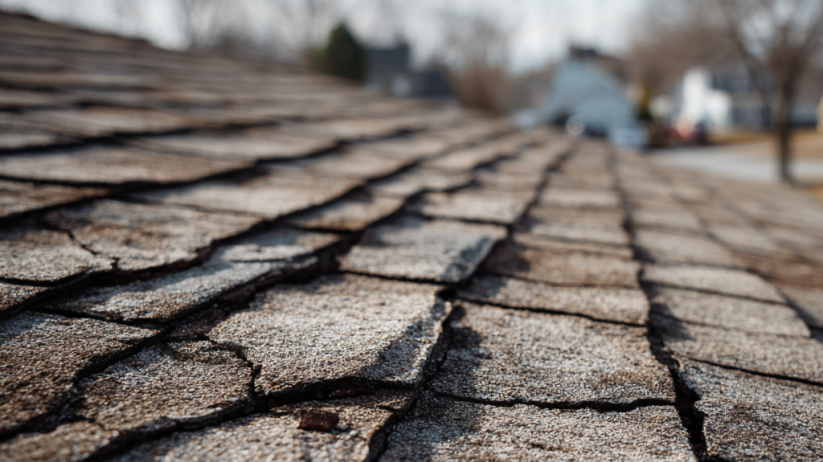
Asphalt shingle heat damage often starts with loss of flexibility. Shingles that once laid flat begin curling at the edges or cracking across the surface.
Once shingles become brittle, they are more likely to break during storms or lift during high winds.
Granule Loss in Gutters
Granules protect shingles from UV exposure. When those granules collect in gutters, the shingle surface becomes more exposed to sunlight.
This creates a cycle where heat causes granule loss, and granule loss allows more UV damage.
Faded or Patchy Roof Color
Fading does not always mean a roof is failing, but uneven discoloration often signals prolonged sun damage to roofs. Areas experiencing heavier UV exposure typically deteriorate faster.
Flashing and Sealant Failure
Heat dries out sealants and causes flashing materials to repeatedly expand and contract. Over time, gaps can form around vents, chimneys, valleys, and pipe boots.
These areas are common leak points because they rely heavily on proper installation and flexible sealing materials.
Higher Cooling Bills
A roof that absorbs and traps heat can make a home harder to cool. Poor ventilation compounds the issue by allowing hot air to build inside the attic.
If cooling costs continue rising during summer months, attic heat retention may be contributing to the problem.
How Extreme Heat Affects Different Roofing Materials
Different roofing materials respond to heat differently. Understanding those differences helps homeowners make better long-term roofing decisions.
Asphalt Shingle Roofing
Asphalt shingles are widely used throughout North Alabama because they are practical, cost-effective, and available in many styles. They perform well when installed properly, but long-term UV exposure can gradually dry them out.
Heat can cause asphalt shingles to:
- Lose flexibility
- Shed granules
- Curl at the edges
- Become brittle
- Crack under thermal stress
Storm-damaged shingles often deteriorate even faster because weakened areas are already exposed.
For some aging roofs, roof rejuvenation may help restore flexibility and slow roof material deterioration if the roofing system remains structurally sound.
Metal Roofing
Metal roofing handles heat differently because it reflects more solar energy instead of absorbing it.
This can help reduce attic heat buildup and improve long-term energy efficiency. However, metal roofing still expands and contracts significantly during temperature swings.
That movement must be properly accounted for during installation.
Fasteners, seams, clips, and flashing components all need to allow for controlled movement without creating water entry points.
Commercial Roofing Systems
Commercial roof heat exposure creates unique challenges for flat and low-slope roofs.
These systems often retain more heat because they receive direct sun exposure across a larger surface area and have less natural airflow than steep-slope residential roofs.
Heat can stress commercial roofs by:
- Weakening seams
- Drying out coatings
- Increasing expansion movement
- Worsening ponding areas
- Accelerating surface wear around rooftop equipment
TPO Roofing
TPO roofing reflects sunlight effectively and helps improve energy efficiency, though seam integrity remains important in areas with repeated thermal movement.
Modified Bitumen Roofing
Modified bitumen systems perform well in many hot climates, but long-term UV exposure can eventually dry out exposed surfaces if coatings are not properly maintained.
Roof Coatings
Roof coatings can help reduce UV exposure and improve energy performance on many commercial roofing systems when applied correctly and maintained over time.
A Field Pattern We Often See After Long Summers
After long stretches of summer heat, we often inspect roofs that still appear acceptable from the driveway. Once we get closer, the condition tells a more complete story.
The sun-facing slopes may have brittle sealant lines, lifted shingle edges, missing granules, flashing separation, or early signs of thermal cracking. In some cases, homeowners only notice a leak after a storm, but the roofing system had been weakened by heat for years before the leak became visible.
Because heat-related roof aging develops gradually, inspections need to go beyond surface-level observations. Agape Roofing LLC uses hands-on roofing experience, Haag-certified training, and knowledge of Alabama roofing conditions to identify problems that are easy to miss from the ground.
That is one reason heat damage roofing problems should not be viewed as cosmetic only. Heat changes how well a roof performs when the next storm arrives.
Deep Dive: Attic Heat Retention and Long-Term Roof Performance
One of the biggest contributors to roof aging caused by heat is attic heat retention.
When ventilation systems are undersized or improperly installed, heat remains trapped beneath the roof deck for extended periods. This creates constant stress on shingles, accelerates oxidation, increases moisture vapor buildup, and contributes to premature material failure.
At Agape Roofing LLC, roof inspections commonly reveal:
- Blocked intake vents
- Improper ridge ventilation
- Moisture vapor buildup
- Premature shingle deterioration
- Storm-related UV damage
- Incorrect installation practices from previous contractors
Correcting ventilation issues early can help improve roof performance, reduce long-term wear, and improve energy efficiency inside the home.
How Heat Impacts Roofing Warranties
Manufacturers like GAF design roofing systems for long-term durability, but installation quality and ventilation still play a major role in warranty performance.
Improper airflow and installation shortcuts often contribute to early roof failure.
That is one reason certified installation matters.
Roof Rejuvenation as a Practical Option
For some aging asphalt roofing systems, roof rejuvenation can help restore flexibility and slow deterioration without immediate replacement.
This option works best when shingles remain structurally sound but are beginning to dry out from years of heat exposure.
How Homeowners Can Slow Heat-Related Roof Aging
No roof lasts forever, but homeowners can reduce unnecessary wear by addressing the conditions that make extreme heat more damaging.
Schedule Periodic Roof Inspections
A roof inspection helps identify heat-related wear before it turns into a larger repair. This is especially useful after long summers, major storms, or when the roof is more than 10 years old.
The goal is not to push replacement. The goal is to understand the roof’s condition and make practical decisions based on what the roof actually needs.
Improve Attic Ventilation
Balanced ventilation helps release trapped heat and moisture. Proper intake and exhaust airflow reduces stress on roofing materials and helps stabilize attic temperatures.
If a roof is aging faster than expected, ventilation should always be evaluated.
Repair Storm Damage Promptly
Wind and hail damage often create weak spots. When those damaged areas remain exposed to months of UV radiation and heat, deterioration accelerates.
A smaller repair handled early may help prevent larger problems later.
Keep Gutters Clear
Proper drainage helps move water away from roofing materials and flashing areas. When gutters clog, moisture buildup can increase stress around roof edges and vulnerable areas.
Heat may drive the aging process, but moisture often exposes the damage.
Consider Better Materials During Replacement
When replacement becomes necessary, homeowners can choose roofing materials better suited for Alabama conditions. Architectural shingles, impact-resistant shingles, balanced ventilation systems, and properly installed metal roofing can all improve long-term roof performance.
When to Inspect a Roof for Heat Damage
Late summer and early fall are often good times to inspect a roof for heat-related aging. By then, the roofing system has already endured months of:
- High temperatures
- UV exposure
- Humidity
- Thermal cycling
- Wind and storm activity
An inspection after prolonged summer heat can help identify developing problems before cooler weather and future storm seasons add additional stress.
A roof inspection may also make sense if you notice:
- Curling shingles
- Granules in gutters
- Water stains indoors
- Rising cooling costs
- Faded roof sections
- Loose flashing
- Recent hail or wind damage
Common Questions About Heat Damage Roofing in Huntsville, AL
Homeowners often notice signs of roof aging without knowing whether heat, UV exposure, storm damage, or ventilation problems are responsible. These are some of the most common questions we hear about heat damage roofing in North Alabama.