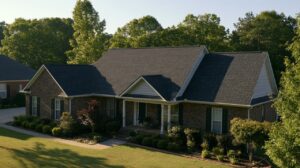
Roof ventilation is critical in Alabama’s hot, humid climate because it actively removes trapped heat and moisture from the attic before they can cause long-term damage. Without proper airflow, homes in Huntsville are more likely to experience rising energy costs, faster roof deterioration, and conditions that can lead to mold growth. When you look at the full picture, the real value comes from the long-term benefits of roof ventilation, especially when it comes to controlling heat and moisture.
In the middle of a North Alabama summer, attic conditions can become extreme without most homeowners realizing it. By early afternoon, heat buildup in the attic can push temperatures well beyond 130 degrees, and that heat does not dissipate quickly. At the same time, humidity from outdoor air and everyday indoor activities rises into the attic and lingers.
This combination of sustained heat and trapped moisture is one of the most common underlying causes of roofing issues in this region. It affects energy efficiency, material performance, and the overall health of the structure. In a climate like this, proper moisture control in your roofing system is not just helpful. It is necessary for long-term performance.
This guide explains:
- How roof ventilation works under real conditions
- Why Alabama’s climate makes ventilation essential
- How heat buildup in the attic and moisture develop
- The benefits of controlling both effectively
- Signs your system may not be working
- Ventilation solutions that perform well in this region
- When it makes sense to take action
If you are unsure whether your attic ventilation is doing its job, Agape Roofing can evaluate it during a roof inspection.
What Roof Ventilation Does and Why It Matters in This Climate
Roof ventilation allows air to move through the attic in a controlled and continuous way, which prevents both heat and moisture from becoming trapped. In milder climates, poor ventilation may only lead to minor inefficiencies. In Alabama, the impact is more immediate and more noticeable over time.
A balanced system uses intake vents at the soffits to bring in outside air, while exhaust vents near the roof peak allow heat and moisture to escape. This steady exchange keeps attic conditions from reaching extremes.
Without that balance, heat buildup in the attic continues throughout the day while humidity remains trapped. Instead of stabilizing overnight, these conditions carry over and compound. This is where the real benefits of roof ventilation become clear, especially in a hot, humid environment like Huntsville.
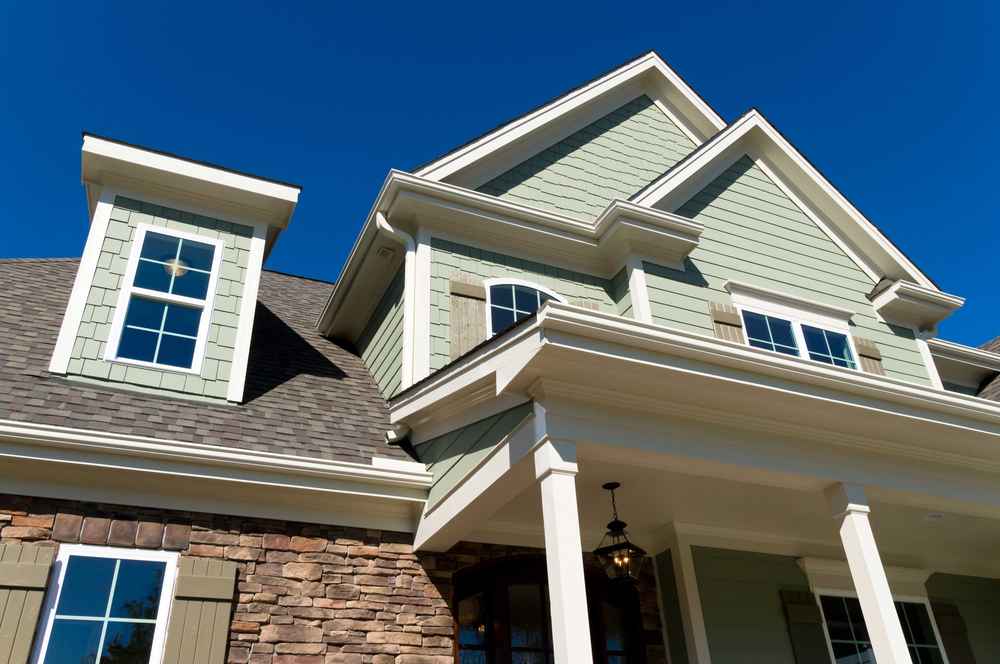
Why Alabama’s Heat and Humidity Make Ventilation Critical
Attic Heat Builds Faster and Lasts Longer
In North Alabama, attic spaces heat up quickly and retain that heat well into the evening hours. This extended exposure places ongoing stress on roofing materials and increases the amount of heat transferring into the home.
Over time, shingles begin to dry out and lose flexibility. Roofing components expand and contract more than intended, which contributes to early wear. This is one of the clearest examples of why controlling heat buildup in the attic is essential in this climate.
Moisture Does Not Have a Natural Exit
Along with heat, humidity plays a major role in how your roofing system performs. Warm air carries moisture into the attic, and without proper airflow, that moisture has nowhere to go.
As it settles, condensation forms along cooler surfaces like roof decking and framing. Over time, this affects insulation performance and creates conditions where mold can develop. This is why moisture control in your roofing system depends heavily on proper ventilation, especially in humid regions like North Alabama.
Combined Effects Accelerate Roof Wear
Heat and moisture do not operate separately. Together, they create an environment that accelerates deterioration across the entire roofing system.
As materials expand, contract, and absorb moisture, their lifespan shortens. What would normally be gradual wear becomes more rapid decline. This is why the benefits of roof ventilation are not just about comfort. They are directly tied to protecting your home.
How Proper Ventilation Solves These Climate-Specific Problems
It Reduces Heat Before It Spreads
A properly ventilated attic allows hot air to escape as it rises, rather than allowing it to build throughout the day. This continuous movement helps prevent excessive heat buildup in the attic and reduces the amount of heat transferring into your living space.
It Removes Moisture Before It Causes Damage
Ventilation provides a clear path for humid air to exit the attic before it condenses. This supports proper moisture control in your roofing system by protecting insulation, wood framing, and overall structural integrity.
It Creates a Stable Environment for Roofing Materials
When both heat and moisture are controlled, roofing materials are able to perform within a more stable range. This helps reduce premature aging and supports longer system performance.
If you are already seeing signs of wear, it may be worth reviewing whether a roof repair or full replacement is needed alongside ventilation improvements.
It Supports More Efficient Energy Use
By limiting heat buildup in the attic, your HVAC system does not have to compensate as aggressively. This helps maintain more consistent indoor temperatures and supports overall energy efficiency during long cooling seasons.
Signs Ventilation Is Not Keeping Up with the Climate
In this region, ventilation issues tend to show up through performance changes rather than immediate failure.
You may notice excessive heat in the attic, even early in the day, or rising energy costs without a clear cause. Some rooms may feel warmer than others, particularly on upper levels. In certain cases, moisture may become noticeable through odors or visible changes in the attic.
Over time, roofing materials may also show signs of early wear. These patterns often indicate that heat buildup in the attic and moisture are not being properly managed and should be evaluated during a professional roof inspection.
When It Makes Sense to Address Ventilation
There are specific situations where evaluating ventilation becomes especially important.
After storm activity, roofing systems are already under stress, and proper airflow helps prevent additional issues. If your home has experienced recent wind or hail, it may be worth looking into storm damage repair along with ventilation performance.
During a roof replacement, adjustments can be made more efficiently. Rising energy costs or recurring repairs may also point to underlying airflow problems.
Ventilation Systems That Perform Well in Alabama
Ridge and Soffit Vent Systems
This combination allows air to move naturally from the lowest point of the roof to the highest. In a hot, humid climate, this type of system provides consistent airflow that supports both temperature control and moisture management.
Gable Vents
Gable vents can assist with airflow in certain home designs, but they are typically not enough on their own in this climate. They work best when combined with a balanced system.
Powered Ventilation
Powered systems can help reduce extreme heat buildup in the attic, but they must be installed carefully. Without proper balance, they can disrupt airflow and reduce overall efficiency.
What We See in the Field in North Alabama
In many homes we inspect, ventilation systems are present but not functioning as intended. A common issue is blocked soffit vents, which limit intake airflow and prevent proper circulation.
From the outside, the roof may appear in good condition. However, attic conditions often tell a different story. Once airflow is corrected, both temperature and moisture levels tend to stabilize.
This is a consistent pattern in homes throughout the Huntsville area and reinforces why the benefits of roof ventilation are so important in this environment.
Ventilation and Insulation Must Work Together
Insulation slows heat transfer into the home, while ventilation removes heat and moisture from the attic. When ventilation is insufficient, insulation can trap both heat and moisture, making conditions worse.
In a hot, humid climate, these systems must work together to maintain consistent performance.
Why Proper Installation Matters
Ventilation is not just about adding vents. The system must be properly balanced, with the right ratio of intake to exhaust and placement that supports natural airflow.
With more than 25 years of experience, Agape Roofing evaluates ventilation as part of the entire roofing system. The focus is on how the system performs under real conditions, not just how it appears.
How to Know If Your Home Has Enough Ventilation
Every home is different, but there are clear indicators that ventilation may need attention.
If heat buildup in the attic feels excessive, energy costs continue to rise, or roofing issues repeat over time, it is worth having the system evaluated.
An inspection can determine whether your current setup is effectively managing heat and supporting moisture control in your roofing system.
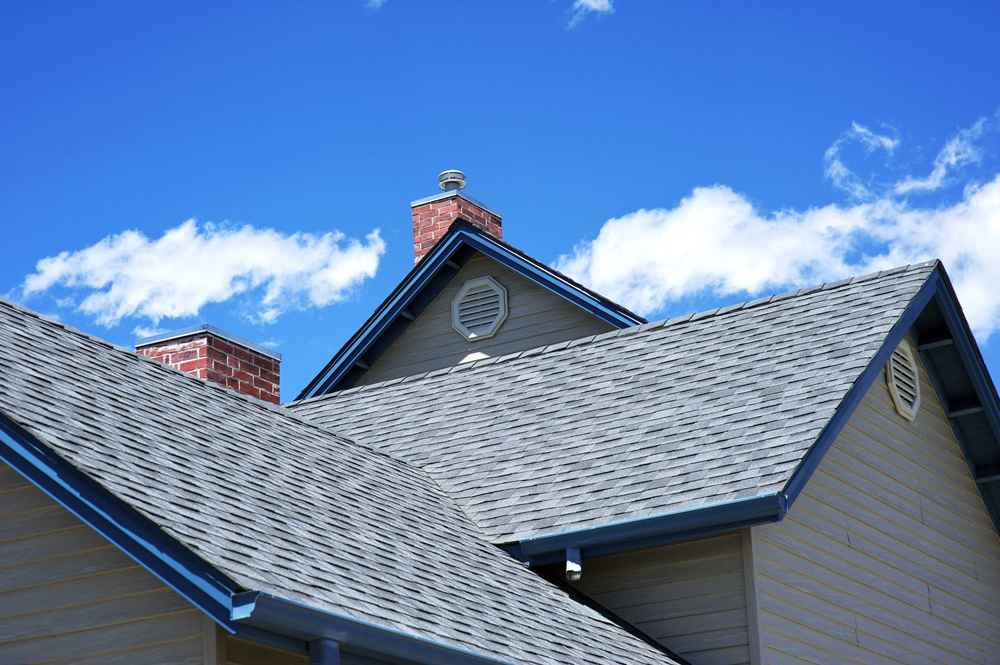
Common Roof Ventilation Questions for Homes in Huntsville’s Hot, Humid Climate
Homeowners often start asking the same questions once they begin noticing heat or moisture issues. These answers are based on what we commonly see during inspections in North Alabama homes.