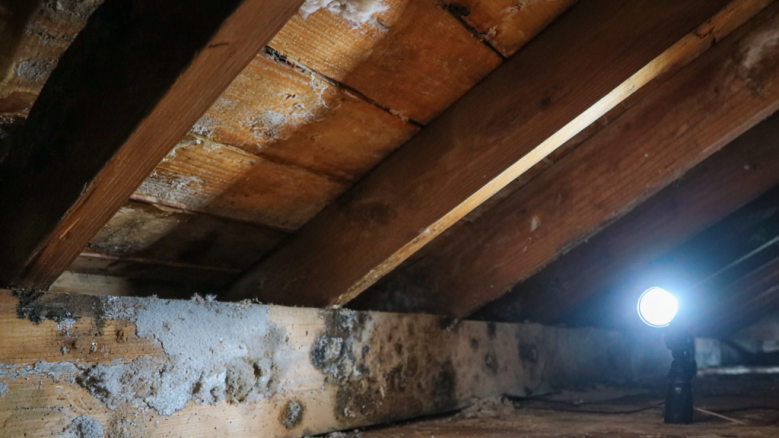
Moisture in the attic is easy to miss until it causes a ceiling stain, musty smell, damp insulation, or dark roof decking. For homeowners in Huntsville, AL, the source may be roof condensation, poor attic ventilation, storm damage, or an active roof leak. The right repair starts with knowing where the moisture is coming from.
Not every ceiling stain means your roof needs to be replaced. In many cases, the issue can be traced to ventilation, flashing, pipe boots, lifted shingles, or indoor humidity moving into the attic. Still, moisture that keeps returning should be inspected before it affects the roof deck, insulation, or interior of your home. Agape Roofing can help identify the source and explain your options clearly.
In this guide, we’ll cover:
- What causes moisture in the attic
- Signs of roof condensation or a roof leak
- How attic moisture affects your roof system
- How to prevent moisture in the attic
- When to schedule a roof inspection
Why Moisture Gets Trapped in the Attic
Moisture in the attic is not always a roof leak, but it is always worth inspecting. It can come from poor ventilation, blocked soffit vents, bathroom fans venting into the attic, warm indoor air hitting cooler roof surfaces, storm damage, damaged flashing, or poor previous roof installation.
Roof condensation forms when humid air reaches a cooler surface and turns into water droplets. In an attic, this often happens on roof decking, nail tips, rafters, fasteners, or vent components.
A roof leak is different. A leak means water is entering from outside through damaged shingles, flashing, pipe boots, vents, valleys, or other roof components.
Because both can cause stains, odors, and damp insulation, guessing can lead to the wrong repair. A roof inspection helps confirm whether the issue is condensation, an active leak, storm damage, or another repairable concern.
What to Know Before Fixing Attic Moisture Problems
Before moving forward with repairs, it helps to understand that attic moisture is a symptom. The real question is what’s causing it.
Cost and Repair Expectations
The cost depends on the source. A pipe boot replacement or flashing repair may be simple. Damaged decking, widespread ventilation issues, or storm damage may require more planning.
Agape Roofing LLC’s average roof repairs typically range from $725 to $1,200, depending on the condition of the roof and the repair needed. If replacement is necessary, asphalt shingle replacement typically ranges from $3.75 to $4.25 per sq. ft., while metal roof replacement typically ranges from $5.50 to $8.00 per sq. ft.
The goal is not to jump straight to replacement. The right repair starts with finding the source.
Materials That May Need Attention
Depending on the inspection, the solution may involve:
- Asphalt shingles
- Metal roofing components
- Pipe boots
- Flashing
- Ridge or soffit vents
- Roof decking
- Attic insulation
- Gutters
- Roof rejuvenation, when appropriate
If roof replacement, decking repair, or ventilation changes are needed, the work should follow Alabama building code and manufacturer best practices.
Sign #1: Rusty Roofing Nails or Fasteners
Rusty nail tips are a common sign of roof condensation. When warm, moist air rises into the attic and meets cooler metal, condensation can form. Over time, the metal begins to rust.
Rusty nails don’t always mean rainwater is entering from outside. They may point to trapped moisture inside the attic.
Look for:
- Rust on nail tips
- Moisture beads on metal
- Dark spots near fasteners
- Rust around vents or roof components
Sign #2: Damp or Flattened Attic Insulation
Attic insulation should be dry and able to hold its shape. If it feels damp, heavy, flattened, or musty, moisture may be collecting in the attic.
Moisture in attic insulation can lead to:
- Reduced insulation performance
- Odors inside the home
- Higher heating and cooling strain
- Moisture held against wood framing
- Ceiling stains below
Wet insulation may come from roof condensation, a roof leak, plumbing condensation, HVAC condensation, or poor ventilation.
Sign #3: A Musty Smell Inside the Home
A musty smell in upper rooms, closets, hallways, or near ceilings can point to moisture problems in the attic.
This doesn’t automatically mean there is a major roof issue. It does mean moisture may be lingering somewhere it shouldn’t. Trapped moisture can create conditions where mold-like growth is more likely to develop.
For mold prevention for roofing, the first step is moisture control. That means finding out whether the source is a roof leak, roof condensation, poor ventilation, or another issue.
Sign #4: Dark Stains on the Roof Decking
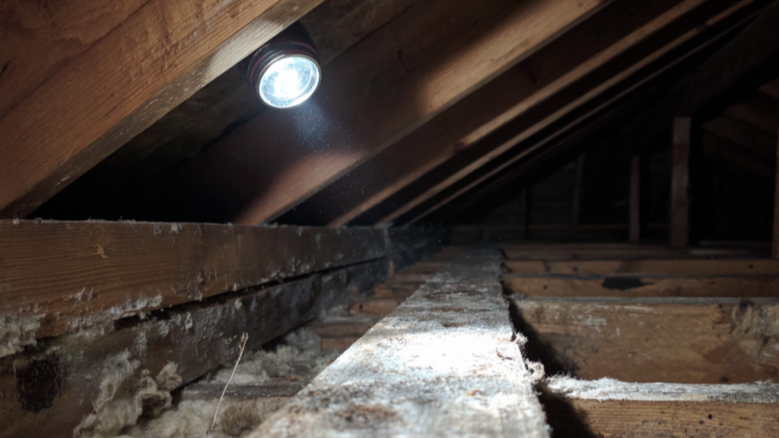
Dark stains on the underside of the roof decking may come from condensation or a leak. The pattern often helps identify the source.
Condensation may appear as widespread staining, spotty discoloration, or darkened areas near cooler attic surfaces. A roof leak may create more direct water trails near flashing, valleys, pipe boots, vents, or roof penetrations.
A roof inspection helps confirm whether the staining is from roof condensation or a leak.
Sign #5: Ceiling Stains That Keep Coming Back
Recurring ceiling stains are one of the most common reasons homeowners suspect roof trouble.
A ceiling stain may come from:
- An active roof leak
- Attic condensation
- Plumbing above the ceiling
- HVAC condensation
- A bathroom fan venting into the attic
- Storm-related roof damage
- Damaged flashing or pipe boots
Is It Attic Condensation or a Roof Leak?
Attic condensation forms when humid indoor air meets cooler attic surfaces. It may appear during cold snaps, humid weather, or seasonal temperature swings.
A roof leak means water is entering from outside through damaged shingles, flashing, vents, pipe boots, valleys, or other roof components.
Both can cause stains, odors, and damp insulation. That is why the roof surface, attic, ventilation, flashing, and storm damage indicators should all be checked before recommending a repair, roof rejuvenation, or replacement.
Sign #6: Mold-Like Growth Around the Attic
Visible growth on roof decking, rafters, insulation paper, or stored items may point to a long-term moisture issue.
The first step is finding and correcting the moisture source. Mold prevention for roofing starts with controlling water entry, condensation, and ventilation problems.
A roofer can identify roof-related moisture sources. Depending on the extent of visible growth, cleanup may also require a qualified remediation professional.
Sign #7: Dripping or Sweating During Weather Changes
Some homeowners notice attic moisture during seasonal shifts, cold snaps, or high-humidity periods.
That is common in North Alabama because the weather can change quickly. Warm indoor air rises, outdoor temperatures drop, and the underside of the roof deck becomes cooler. When those conditions line up, roof condensation can become visible.
You may notice moisture on nail tips, damp decking, wet insulation, or dripping after a cold night.
Why Huntsville-Area Homes Can Be Vulnerable to Attic Moisture
Homes in this region deal with humidity, heavy rain, wind, hail, and quick temperature swings. Asphalt shingle roofs are common, and many older homes have attic ventilation systems that no longer perform well.
Prior roof installations can also play a role. If a roof was not installed according to code or manufacturer best practices, moisture issues may show up earlier than expected.
Common local factors include:
- Humid summer air
- Wind-driven rain
- Hail damage
- Quick winter temperature drops
- Blocked soffit vents
- Older ventilation systems
- Poor flashing details
- Shingles lifted by storm winds
Agape Roofing LLC serves Huntsville, Madison, and nearby North Alabama communities with roof inspections, roof repairs, storm damage repairs, and practical guidance based on what the roof actually needs.
How Moisture in the Attic Can Affect Your Roof System
Moisture trapped in the attic can affect more than insulation. Over time, it can place stress on the full roofing system.
Possible effects include:
- Damp insulation
- Rusted fasteners
- Weakened roof decking
- Mold-like growth
- Interior ceiling stains
- Recurring odors
- Shortened roof lifespan
- Confusion between condensation and a leak
Roof longevity in North Alabama depends on storm exposure, ventilation, installation quality, and roofing material. Poor ventilation or trapped moisture can shorten the life of the system.
How to Prevent Moisture in the Attic
The best way to prevent moisture in the attic is to control water entry, improve airflow, and correct indoor humidity sources that reach the attic.
Helpful steps include:
- Make sure bathroom fans vent outside
- Keep soffit vents clear
- Keep ridge vents and exhaust vents working properly
- Watch for ceiling stains and musty odors
- Look for signs of storm damage after wind or hail
- Address small roof leaks early
- Have damaged flashing, pipe boots, and shingles inspected
- Keep gutters moving water away from roof edges
- Schedule a roof inspection when signs return
Avoid unsafe DIY roof work. Looking inside the attic from a safe access point is fine, but roof surfaces and storm-damaged areas should be handled by a roofing professional.
A Common Pattern We See During Roof Inspections
A homeowner notices a ceiling stain after heavy rain and assumes the shingles have failed. During the inspection, the roof surface may show some wear, but the attic tells a fuller story.
We may find rusty nail tips, damp insulation, a bathroom fan venting into the attic, blocked soffit vents, or dark staining around a roof penetration. In another home, the problem may be storm damage that lifted shingles and allowed wind-driven rain into the system.
Both homes may have moisture in the attic. But they need different repairs.
That is why the inspection matters. The repair should match the source of the problem.
Deep Dive: Roofing Materials, Ventilation, and Moisture Control
Moisture control depends on the full roof system. Shingles, flashing, decking, insulation, ventilation, and gutters all play a role.
Asphalt Shingle Roofs
Asphalt shingles are common across North Alabama. They perform well when installed properly, but they depend on correct ventilation and solid decking.
If attic moisture stays trapped beneath the roof deck, shingles can age faster from below. Decking can also weaken, which affects how well roofing nails hold.
Metal Roofs
Metal roofing can perform well in Alabama weather, but condensation control still matters. Metal expands and contracts with temperature changes, so proper underlayment, flashing, fasteners, and ventilation are important.
Roof Rejuvenation
Roof rejuvenation may be an option for aging asphalt shingles that are still structurally sound. However, it does not solve attic condensation by itself.
If the attic has ventilation problems, roof condensation, or damp insulation, those issues need to be addressed first.
Gutters and Drainage
Gutters also matter. Clogged or poorly performing gutters can cause water to back up around roof edges, fascia, and vulnerable transition points.
Drainage issues may not be the only source of attic moisture, but they can make roof problems worse.
Pros and Cons of Ventilation Improvements
Pros
- Helps reduce trapped attic moisture
- Supports longer roof life
- Helps reduce roof condensation
- Protects insulation and roof decking
- Can improve attic temperature control
Cons
- Will not fix an active roof leak by itself
- May require soffit or ridge vent corrections
- Works best with proper air sealing
- Damaged decking or insulation may still need repair
Agape Roofing LLC installs and repairs roofs according to Alabama building code and GAF best practices. That includes looking at the full roof system, not just the visible surface.
When to Schedule a Roof Inspection
Schedule a roof inspection when moisture signs keep returning or when you are not sure whether the issue is roof condensation or a leak.
A roof inspection makes sense if you notice:
- Musty smells
- Ceiling stains
- Damp attic insulation
- Rusty roofing nails
- Dark roof decking
- Visible storm damage
- Missing or lifted shingles
- Moisture after heavy rain
- Temporary repairs that do not last
Agape Roofing LLC can inspect for roof leaks, storm damage, poor installation, flashing issues, ventilation problems, and repairable roofing concerns.
Services that may apply include roof inspections, emergency roof repair, roof leak repair, roof tarping, storm damage repair, asphalt shingle roof repair, metal roof repair, roof rejuvenation when appropriate, gutter services, and insurance claim support within Alabama guidelines.
Call 256-202-4818 to schedule a roof inspection in Huntsville, Madison, or a nearby North Alabama community.