During long Alabama summers, commercial buildings absorb an enormous amount of heat. By mid-afternoon, large roof surfaces exposed to direct sunlight can push indoor temperatures higher, increase HVAC strain, and drive up operating costs. In Huntsville, AL, many property owners begin exploring energy-efficient roofing options after dealing with rising utility bills, uneven indoor temperatures, or recurring roofing issues during peak summer months.
For commercial properties, roofing is no longer just about weather protection. The right roofing system can also improve energy performance, reduce heat absorption, support long-term roof durability, and help manage operating costs over time.
That is why energy-efficient roofing options for commercial buildings in Huntsville, AL have become an increasingly important conversation for churches, offices, retail buildings, warehouses, and owner-managed properties across North Alabama.
In this guide, we’ll cover:
- How energy-efficient roofing systems reduce cooling costs
- The benefits of cool roof systems in Alabama heat
- Which commercial roofing materials perform best in Huntsville conditions
- Retrofit versus replacement considerations
- How reflective commercial roofing impacts HVAC performance
- What building owners should know before upgrading roofing systems
If your commercial roofing system is struggling with heat retention, aging materials, or rising cooling costs, Agape Roofing LLC can help with a professional roof inspection and practical recommendations based on your building’s condition and long-term goals.
How Energy-Efficient Roofing Options for Commercial Buildings in Huntsville, AL Reduce Cooling Costs
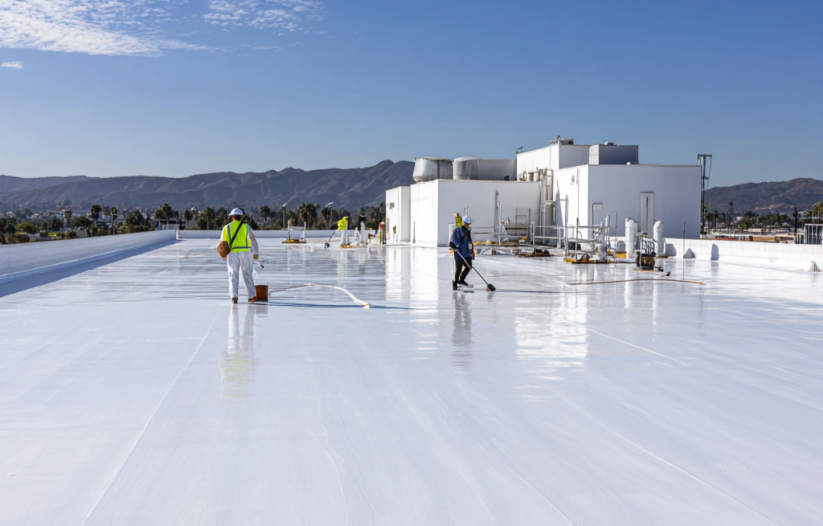
Energy efficient roofing systems reduce cooling costs by reflecting solar heat, lowering roof surface temperatures, and reducing heat transfer into commercial buildings. Cool roof systems, reflective membranes, commercial roofing insulation, and energy-saving roof systems all help reduce HVAC strain and improve long-term building performance in hot climates like North Alabama.
Commercial roofs absorb and retain a tremendous amount of heat throughout the day. On large buildings, that heat buildup affects far more than the roofing material itself. It influences indoor comfort, energy usage, HVAC performance, and long-term maintenance costs.
In Huntsville, AL, commercial roofs regularly deal with:
- High UV exposure
- Long summer heat cycles
- Humidity
- Thermal expansion and contraction
- Storm-related wear
- Rooftop HVAC heat concentration
Over time, those conditions place continuous stress on commercial roofing systems. Energy efficient roofing options help reduce that stress by lowering roof surface temperatures and limiting heat transfer into the building itself.
This is one reason many commercial property owners now view roofing systems as part of their long-term operating strategy rather than simply a weather barrier.
Why Energy-Efficient Roofing Matters for Commercial Buildings in Huntsville, AL
Commercial roofing systems in Huntsville face different challenges than residential roofs. Large roof surfaces remain exposed to direct sunlight for extended periods, and many commercial buildings run HVAC systems continuously throughout the summer.
That combination increases rooftop thermal loading and accelerates roof wear over time.
When commercial roofs absorb excessive heat day after day, building owners often experience:
- Rising cooling costs
- Uneven indoor temperatures
- Faster roof aging
- Increased HVAC strain
- Premature membrane deterioration
- More frequent maintenance issues
Energy efficient roofing options for commercial buildings in Huntsville, AL help address those problems by reducing heat absorption and slowing long-term roof deterioration.
Cool Roof Systems Reduce Heat Absorption on Commercial Buildings
Cool roof systems are roofing systems designed to reflect more sunlight and absorb less heat than traditional roofing materials. These systems often use reflective membranes, white membrane roofing materials, coatings, or specialized surfaces to lower roof temperatures during hot weather.
For commercial buildings in Huntsville, cool roof systems can help:
- Reduce indoor heat buildup
- Improve HVAC efficiency
- Lower cooling demand
- Improve commercial energy savings
- Reduce thermal expansion stress
- Slow roof material deterioration
Cool roof systems are especially beneficial on buildings with large uninterrupted roof surfaces where prolonged heat exposure can significantly affect energy usage.
Alabama Heat Creates Continuous Stress on Commercial Roofing Systems
Commercial roofs in North Alabama experience repeated thermal cycling throughout the year. Roofing materials expand during high daytime temperatures and contract as temperatures cool overnight.
That movement affects:
- Roofing membranes
- Flashing systems
- Fasteners
- Seams
- Roof coatings
- Drainage areas
Over time, prolonged heat exposure contributes to UV degradation, seam fatigue, oxidation, coating wear, and accelerated roof aging.
In Huntsville, summer heat is often followed by sudden wind events and severe storms. A commercial roof weakened by long-term heat exposure becomes more vulnerable when storms arrive.
That connection between heat stress and long-term roof performance is one reason energy-efficient roofing systems matter so much in Alabama’s climate.
What Commercial Property Owners Should Know Before Upgrading to an Energy-Efficient Roofing System
Before selecting energy-efficient roofing options for commercial buildings in Huntsville, AL, property owners should evaluate roof condition, insulation performance, building usage, maintenance expectations, and long-term operating goals.
The right roofing system should support both the building’s current needs and future performance expectations.
Existing Roof Condition Determines Whether Retrofit or Replacement Makes Sense
An older roof may still qualify for restoration or roof coating systems if the structure remains sound. In other situations, full replacement may provide better long-term value and energy performance.
A professional roof inspection should evaluate:
- Roofing membranes
- Flashing details
- Drainage systems
- Roof decking
- Existing coatings
- Seam conditions
- Commercial roofing insulation
- Ponding areas
The goal is to determine whether retrofit improvements or replacement makes the most practical sense for the building.
Commercial HVAC Demand Directly Affects Roofing Performance
Different commercial buildings manage heat differently. Churches, retail spaces, office buildings, warehouses, and mixed-use facilities all experience unique cooling demands.
Buildings with heavy occupancy loads or continuous HVAC usage often benefit significantly from reflective commercial roofing systems because those systems help reduce rooftop heat transfer.
Buildings that already struggle with indoor comfort or rising utility costs often see greater long-term value from energy-efficient roofing upgrades.
Roofing Material Selection Impacts Energy Savings and Roof Lifespan
Different commercial roofing materials respond differently to prolonged UV exposure, heat buildup, and thermal movement.
Material selection affects:
- Commercial energy savings
- Roof lifespan
- Repair flexibility
- Maintenance frequency
- Expansion movement
- Long-term operating costs
That is why energy-efficient roofing options for commercial buildings in Huntsville, AL should always be evaluated based on both upfront roofing needs and long-term building performance.
Choosing the Right Energy-Efficient Roofing Option for a Commercial Building in Huntsville, AL
The best energy-efficient roofing system depends on how the building is used, how long the owner plans to keep the property, and what long-term maintenance expectations look like.
A warehouse may prioritize durability and cooling efficiency. A church may focus on long-term stewardship and maintenance predictability. An office building may place more emphasis on indoor comfort and HVAC performance.
Building owners should evaluate:
- Roof age
- Existing insulation performance
- HVAC demand
- Roof slope and drainage
- Future ownership plans
- Occupancy requirements
- Long-term repair expectations
- Budget priorities
The best energy-efficient roofing option is not always the most expensive system. It is the roofing system that best supports the building’s long-term operational goals in Huntsville’s climate.
Comparing Energy-Efficient Roofing Options for Commercial Buildings in Huntsville, AL
Different commercial roofing systems provide different advantages depending on building design, occupancy needs, and long-term goals.
TPO Roofing Systems Improve Commercial Energy Efficiency
TPO roofing energy efficiency is one reason this material has become one of the most widely used commercial roofing systems in hot climates.
TPO membranes use reflective surfaces designed to reduce heat absorption and improve energy performance.
Reflective TPO Membranes Help Lower Roof Temperatures
TPO roofing systems help reduce rooftop heat buildup by reflecting more sunlight away from the building surface. Lower roof temperatures can help reduce cooling demand and improve overall commercial energy savings during Alabama summers.
TPO systems also perform well on large commercial roof surfaces where prolonged sun exposure would otherwise create significant heat retention.
Proper TPO Installation Is Critical for Long-Term Performance
TPO roofing systems rely heavily on seam quality, drainage performance, and proper membrane attachment. Even high-quality materials can underperform if installation details are not handled correctly.
Proper installation helps prevent seam fatigue, moisture intrusion, and premature roof deterioration under long-term heat exposure.
PVC Roofing Systems Provide Strong Reflective Performance
PVC roofing systems provide strong reflective performance and long-term durability under prolonged heat exposure.
PVC Roofing Handles Heat and Rooftop Exposure Effectively
PVC roofing performs well on commercial buildings exposed to heavy rooftop equipment loads, grease exhaust systems, and prolonged UV exposure.
The reflective membrane helps lower heat absorption while durable seam construction supports long-term roof performance.
PVC Roofing Requires Skilled Commercial Installation
PVC systems require experienced installation practices to ensure seam integrity, flashing performance, and long-term membrane durability.
Installation quality directly affects how well the roofing system handles long-term thermal movement and rooftop stress.
Metal Roofing Helps Reduce Heat Transfer Into Commercial Buildings
Metal roofing reflects solar energy effectively and performs well in hot climates when installed correctly.
Metal Roofing Provides Long-Term Durability and Energy Performance
Metal roofing systems can help reduce rooftop heat absorption while providing strong long-term durability under Alabama weather conditions.
For churches and long-term commercial properties, metal roofing often provides reliable energy performance with lower long-term maintenance requirements.
Expansion Movement Must Be Managed Correctly on Metal Roofs
Metal roofing expands and contracts significantly during temperature changes. Flashing details, fastener placement, and panel movement must all be handled correctly to prevent leaks and long-term stress points.
Proper installation is critical for long-term metal roof performance in Huntsville’s climate.
Commercial Roof Coatings Improve Reflectivity and Surface Protection
Commercial roof coating systems improve reflectivity and help protect qualifying roofing systems from UV exposure.
Roof Coatings Help Reduce UV Exposure and Heat Absorption
Reflective roof coatings help lower roof surface temperatures by reducing solar heat absorption. These systems can also help extend roof lifespan when applied to structurally sound roofing systems.
Roof coatings are often useful for commercial buildings seeking energy improvements without full roof replacement.
Roof Coating Systems Require Ongoing Maintenance and Proper Roof Conditions
Not every roof qualifies for restoration or coating applications. Existing moisture problems, structural deterioration, or widespread membrane failure may require replacement instead.
Roof coatings also require periodic maintenance to maintain long-term reflectivity and performance.
When Commercial Roof Retrofit Systems Make Sense for Energy-Efficient Roofing Upgrades
Not every commercial building requires full roof replacement to improve energy performance.
In many situations, retrofit systems can improve energy efficiency while preserving portions of the existing roofing system.
Retrofit solutions may include:
- Reflective roof coatings
- Additional insulation layers
- Membrane overlays
- Drainage improvements
- Targeted repair and restoration work
Retrofit systems often make sense when:
- The roof structure remains sound
- The membrane has not fully failed
- Occupancy disruption needs to remain minimal
- Building owners want to avoid full tear-offs
- Energy efficiency improvements are the primary goal
However, if the roof has widespread deterioration, trapped moisture, or structural concerns, full replacement may provide better long-term performance and reliability.
Why Long-Term Operating Costs Matter When Choosing Energy-Efficient Roofing Options for Commercial Buildings in Huntsville, AL
Commercial roofing decisions are often viewed through the lens of upfront installation cost, but long-term operating performance usually has a greater financial impact over time.
A roofing system that reduces HVAC strain, lowers maintenance frequency, and slows roof deterioration may create more predictable operating costs for the building.
Energy efficient roofing systems can help reduce:
- Cooling demand
- Emergency repair frequency
- Thermal stress
- Interior comfort problems
- Long-term maintenance interruptions
For many commercial properties, especially churches and owner-managed buildings, predictable long-term performance matters more than the lowest initial roofing cost.
Why Churches Often Benefit From Energy-Efficient Roofing Systems in Huntsville, AL
Churches often have large roof surfaces, older insulation systems, and varying occupancy schedules that create unique cooling challenges.
Large sanctuary spaces can become difficult to cool during summer months when roofing systems absorb excessive heat throughout the day.
Energy efficient roofing options for churches can help:
- Reduce indoor heat buildup
- Improve HVAC efficiency
- Support long-term stewardship goals
- Lower maintenance demands
- Improve roof lifespan
Many churches also prefer roofing systems that provide long-term reliability and predictable maintenance planning rather than temporary short-term repairs.
Why Installation Quality Affects Commercial Energy Savings
Energy efficient roofing systems only perform as intended when installation quality supports the roofing material design.
Poor seam work, weak flashing details, drainage problems, or improper installation practices can reduce the effectiveness of even high-performing roofing systems.
At Agape Roofing LLC, inspections often reveal:
- Improper membrane attachment
- Weak flashing details
- Ponding water issues
- Failed sealant areas
- Drainage problems
- Storm-related wear around rooftop equipment
In many cases, the roofing material itself is not the primary issue. Installation details often determine whether the roofing system performs efficiently over time.
That is especially important in Alabama’s climate, where heat, humidity, and storms place continuous stress on commercial roofing systems.
A Common Pattern We See on Commercial Roofs During Alabama Summers
Many commercial property owners first notice roofing efficiency problems through rising utility costs or inconsistent indoor temperatures. During inspections, we often find aging roofing systems absorbing excessive heat because reflective surfaces have worn down or drainage issues are trapping moisture across the roof.
On many aging commercial roofs, reflective surfaces lose effectiveness long before the membrane itself completely fails. Once the roof begins retaining more heat, HVAC systems often work harder even before leaks become visible.
Rooftop HVAC systems can also create concentrated heat exposure around seams, penetrations, and flashing details. Over time, that heat accelerates membrane fatigue and increases the likelihood of leaks.
Energy efficient roofing options for commercial buildings in Huntsville, AL are not only about lowering indoor temperatures. They also help reduce long-term stress on the roofing system itself.
Deep Dive: How Reflective Commercial Roofing Systems Improve Long-Term Building Performance
Commercial roofs in hot climates experience constant thermal movement. Roofing materials expand under daytime heat and contract as temperatures cool overnight.
That repeated movement affects:
- Roofing membranes
- Flashing systems
- Fasteners
- Seams
- Roof coatings
- Drainage areas
Over time, excessive heat exposure accelerates oxidation, UV degradation, seam fatigue, and material deterioration.
Reflective commercial roofing systems help reduce those stresses by lowering roof surface temperatures and reducing rooftop thermal loading.
ENERGY STAR Roofing Materials Help Reduce Rooftop Heat Buildup
Many cool roof systems use ENERGY STAR-rated materials designed with higher solar reflectance and emissivity values.
These roofing systems reflect more sunlight and release absorbed heat more effectively, helping reduce roof surface temperatures during Huntsville summers.
Lower roof temperatures can help:
- Reduce cooling demand
- Improve membrane performance
- Extend roof lifespan
- Lower repair frequency
- Improve indoor comfort
Reflective Roofing Systems Reduce HVAC Strain During Alabama Summers
Commercial HVAC systems work harder when roof surfaces absorb excessive heat throughout the day.
Reflective membranes, insulation upgrades, and cool roof systems help reduce indoor heat transfer, allowing HVAC systems to maintain more stable temperatures with less strain.
That can improve:
- Equipment longevity
- Energy efficiency
- Occupant comfort
- Long-term operating costs
Pros and Cons of Energy-Efficient Roofing Systems
Pros
- Lower cooling demand
- Reduced roof temperatures
- Improved commercial energy savings
- Better UV resistance
- Longer roof lifespan potential
- Reduced thermal stress
Cons
- Higher upfront investment for some systems
- Installation quality remains critical
- Maintenance still matters
- Some coating systems require periodic renewal
How Commercial Property Owners Can Improve Energy-Efficient Roofing Performance Over Time
Improving commercial energy savings often involves more than replacing roofing materials alone.
Regular Roof Inspections Help Protect Long-Term Energy Performance
Regular inspections help identify heat-related wear before major energy loss or water intrusion develops.
Commercial roofing systems exposed to prolonged Alabama heat should be evaluated periodically for seam stress, flashing movement, coating wear, and drainage problems.
Proper Drainage Helps Prevent Premature Roof Deterioration
Blocked drains and ponding water increase stress on roofing systems and accelerate deterioration.
Drainage problems combined with prolonged heat exposure often create conditions that shorten roof lifespan and increase maintenance demands.
Early Roof Repairs Help Prevent Larger Energy Efficiency Problems
Small flashing issues or seam separations often worsen under prolonged heat exposure.
Addressing repairs early helps prevent moisture intrusion, insulation damage, and larger roofing system failures.
Roofing Insulation and Ventilation Affect Overall Building Efficiency
Commercial roofing insulation and airflow management both affect long-term energy performance and HVAC efficiency.
Buildings with poor insulation or trapped rooftop heat often struggle with higher cooling demand and uneven indoor temperatures.
Long-Term Roofing Performance Often Matters More Than Initial Cost
Lower utility costs, fewer repairs, improved occupant comfort, and better roof longevity often offset the investment in higher-performing roofing systems over time.
That is why many commercial property owners focus on lifecycle performance rather than only upfront roofing cost.

Commercial Roofing Questions About Energy-Efficient Roofing Options in Huntsville, AL
Commercial property owners often want to understand how roofing systems affect energy usage, cooling costs, and long-term building performance. These are some of the most common questions we hear about energy-efficient roofing options for commercial buildings in Huntsville, AL.