What Hidden Hail Damage Does to Asphalt Shingle Roofs
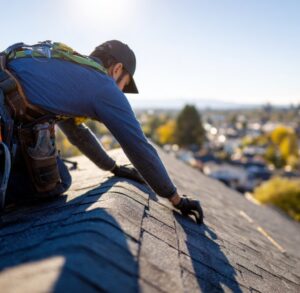
Hail can damage asphalt shingle roofs in ways that are not always obvious right away. When hail strikes a roof, it can loosen protective granules, bruise the fiberglass mat inside the shingle, and weaken the adhesive seal that holds shingles together. These forms of roof impact damage may not be visible from the ground, but they can shorten the life of asphalt shingles and eventually lead to leaks.
In North Alabama, storms often develop quickly. One afternoon may be calm, and later that evening hail is striking rooftops across the neighborhood. After the storm passes, many homeowners look up and assume everything is fine because the shingles are still in place.
What often goes unnoticed is the hidden damage hail can cause to asphalt shingles. The roof may still appear normal from the street, yet the protective layers of the shingles may already be compromised.
Understanding how hail affects asphalt shingles can help homeowners recognize problems earlier and make informed decisions about their roof.
Key points to understand:
- Hail can damage asphalt shingles even when no shingles are missing
- Roof impact damage can weaken shingles internally
- Hidden hail damage often leads to leaks months after the storm
- A professional roof inspection helps determine whether asphalt shingles have been compromised
If your roof has recently been through a storm, Agape Roofing can provide a roof inspection and explain whether hidden hail damage is present.
Why Hidden Hail Damage Matters for Asphalt Shingle Roofs in North Alabama
Because asphalt shingles are the most common roofing material on homes in North Alabama, hailstorms often leave behind damage that homeowners may not immediately notice.
Even when a roof still looks intact, hail can weaken the protective layers of the shingles. Over time, that hidden damage can lead to leaks, faster aging, or premature roof replacement.
To understand why this happens, it helps to look more closely at what occurs when hail strikes an asphalt shingle roof.
What Roof Impact Damage Means for Asphalt Shingles
Roof impact damage occurs when hailstones strike asphalt shingles with enough force to compromise the material.
Although the shingle may remain in place, the impact can affect the internal structure of the roofing material. This type of hidden damage often includes:
- Loss of protective granules
- Bruising beneath the asphalt surface
- Cracked edges that allow moisture inside
- Broken seal strips that hold shingles together
- Small fractures in the fiberglass reinforcement layer
Each of these issues can weaken asphalt shingles and reduce their ability to protect the roof deck from water.
Storm Conditions That Increase Asphalt Shingle Damage
North Alabama regularly experiences severe thunderstorms that produce hail, strong winds, and sudden temperature shifts.
When hail strikes the same areas of the roof repeatedly during these storms, the cumulative impact can weaken asphalt shingles even if no immediate leaks appear.
This is why hidden hail damage often develops quietly and becomes noticeable only months after the storm.
What Homeowners Should Know Before Addressing Hidden Hail Damage
Once hail has impacted an asphalt shingle roof, the next step is understanding how to evaluate the damage and determine whether repairs are needed.
Because hidden hail damage is not always visible, homeowners should approach the situation carefully and avoid making assumptions about the roof’s condition.
A Roof Inspection Helps Identify Hidden Damage
The most reliable way to identify hidden hail damage on asphalt shingles is through a professional roof inspection.
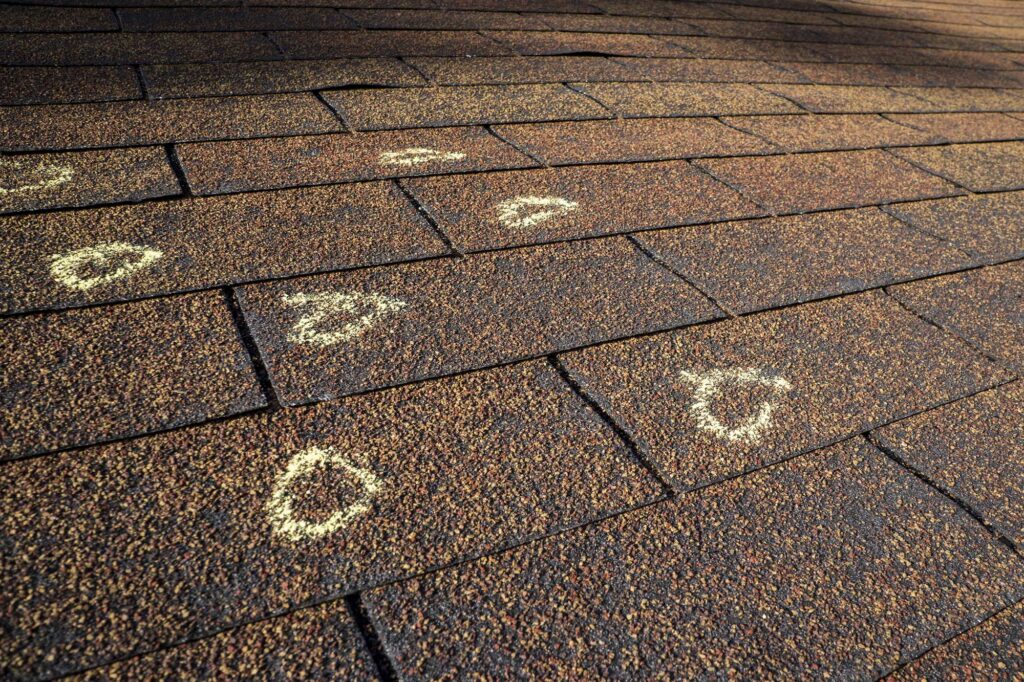
During an inspection, a roofer examines the shingle surface closely, looking for signs of bruising beneath the asphalt layer, granule loss, and impact patterns across the roof.
This type of evaluation helps determine whether the shingles were truly affected by hail or whether the roof remains in good condition.
Insurance and Documentation
When hail causes damage across a roof, the repairs may be covered by a homeowner’s insurance policy. To support this process, roofers often document the condition of the shingles and photograph areas where hail impact is visible.
Having accurate documentation helps homeowners understand their options when speaking with their insurance carrier.
Roofing Material Type Affects Hail Resistance
Different types of asphalt shingles respond differently to hail impact.
Common options include:
- Three-tab asphalt shingles
- Architectural asphalt shingles
- Impact-resistant asphalt shingles
While thicker shingles may offer improved durability, all asphalt shingles can experience hidden damage when struck by hail.
Timing Matters After a Storm
Another challenge with hail damage is timing. Because the damage is often hidden, a roof may continue functioning for some time before leaks or visible deterioration appear.
That delay is one reason many homeowners discover hail damage long after the storm has passed.
Six Types of Hidden Hail Damage Found on Asphalt Shingle Roofs
Understanding the types of hidden damage that hail can cause makes it easier to recognize potential roofing problems after a storm.
Below are some of the most common forms of hail impact damage seen on asphalt shingle roofs.
1. Granule Loss on Asphalt Shingles
Granules protect asphalt shingles from sunlight and weather exposure. When hail strikes the roof, these granules can be dislodged.
Without that protective layer, shingles begin to deteriorate faster.
2. Bruising Beneath the Shingle Surface
When hail compresses the fiberglass mat beneath the asphalt coating, it can create bruising that weakens the shingle structure.
Over time, these bruised areas often develop cracks.
3. Fractured Fiberglass Reinforcement
Large hailstones can fracture the fiberglass layer that gives asphalt shingles their strength. Once this reinforcement is compromised, the shingle becomes more vulnerable to water intrusion.
4. Broken Adhesive Seal Strips
Seal strips hold asphalt shingles together and help prevent wind uplift. Hail impact can weaken these bonds, making shingles easier for wind to lift during future storms.
5. Cracked Shingle Edges
The edges of shingles are thinner and more exposed. Hail strikes in these areas can create small cracks that slowly spread across the shingle.
6. Exposed Fiberglass Layers
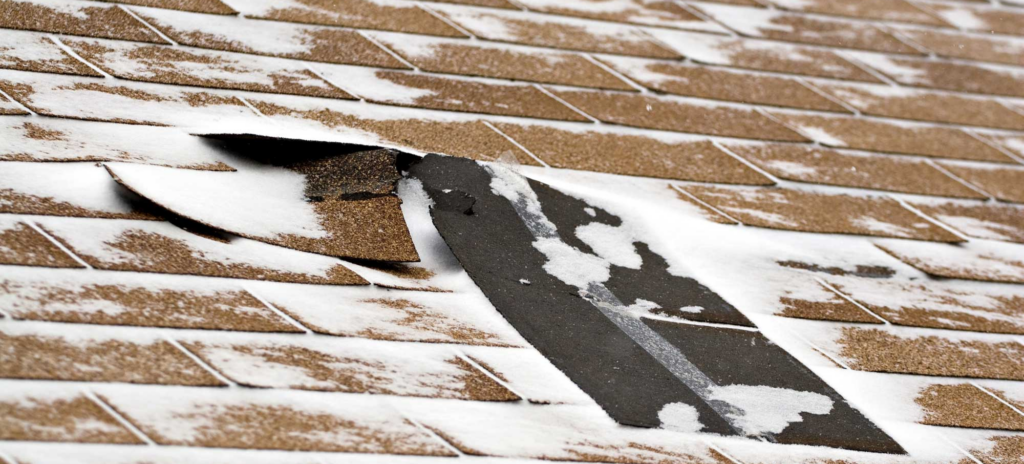
In severe storms, hail may break through the asphalt coating and expose the fiberglass layer beneath. When this occurs, moisture can quickly begin to deteriorate the shingle.
Each of these problems represents hidden hail damage that can gradually shorten the lifespan of an asphalt shingle roof.
Signs Your Asphalt Shingle Roof May Have Hidden Hail Damage
Because many types of hail damage occur beneath the surface of the shingle, homeowners often look for small clues that something may be wrong.
These signs do not always confirm damage, but they can indicate that a closer inspection is worthwhile.
Common indicators include:
- Dark circular marks on shingles
- Granules collecting in gutters or downspouts
- Cracked shingle edges
- Dented roof vents or flashing
- Water stains appearing on interior ceilings
When these signs appear after a storm, they may suggest that hail has affected the asphalt shingles.
Other Roofing Components That Help Confirm Hail Impact
While hidden damage occurs within asphalt shingles themselves, other roofing materials sometimes provide additional clues that hail struck the roof.
During an inspection, roofers also check areas such as:
- Metal flashing around vents and chimneys
- Roof vent covers
- Ridge vents near the peak of the roof
- Gutters along the roofline
These materials are softer than shingles and often show dents more easily. When dents appear in these areas, it often confirms that the surrounding asphalt shingles experienced hail impact as well.
Why Asphalt Shingles Are Vulnerable to Hidden Hail Damage
To understand why hail affects asphalt shingles the way it does, it helps to look briefly at how these shingles are constructed.
The Structure of Asphalt Shingles
Most asphalt shingles contain several layers:
- A waterproof asphalt coating
- Mineral granules that protect the surface
- A fiberglass mat that provides strength
- Adhesive seal strips that bond shingles together
When hail strikes the roof, the force of the impact can disrupt one or more of these layers. Even when the surface looks normal, the internal structure of the shingle may already be weakened.
Asphalt Shingles Compared With Impact-Resistant Options
| Roofing Material | Hail Resistance | Typical Lifespan |
| Three-Tab Asphalt Shingles | Moderate | 15–20 years |
| Architectural Asphalt Shingles | More durable | 20–30 years |
| Impact-Resistant Asphalt Shingles | Designed for stronger impacts | 30+ years |
Impact-resistant shingles are designed to absorb more force from hail. However, even these materials can still experience damage during severe storms.
Why Professional Inspections Matter
Because hidden hail damage often occurs beneath the surface of asphalt shingles, it can be difficult to detect without a careful inspection.
Experienced roofers examine the roof closely, checking for bruised shingles, granule loss, and impact patterns that suggest hail damage.
At Agape Roofing, inspections focus on identifying these subtle forms of damage so homeowners can clearly understand the condition of their asphalt shingle roof.
Common Questions About Hidden Hail Damage to Asphalt Shingle Roofs in Huntsville, AL
Hidden hail damage on asphalt shingle roofs raises a lot of questions for homeowners, especially after a storm passes and the roof still appears intact. Below are some of the most common questions we hear when homeowners want to understand whether hail may have affected their asphalt shingles.